
How Often Does a Septic Tank Need Pumping?
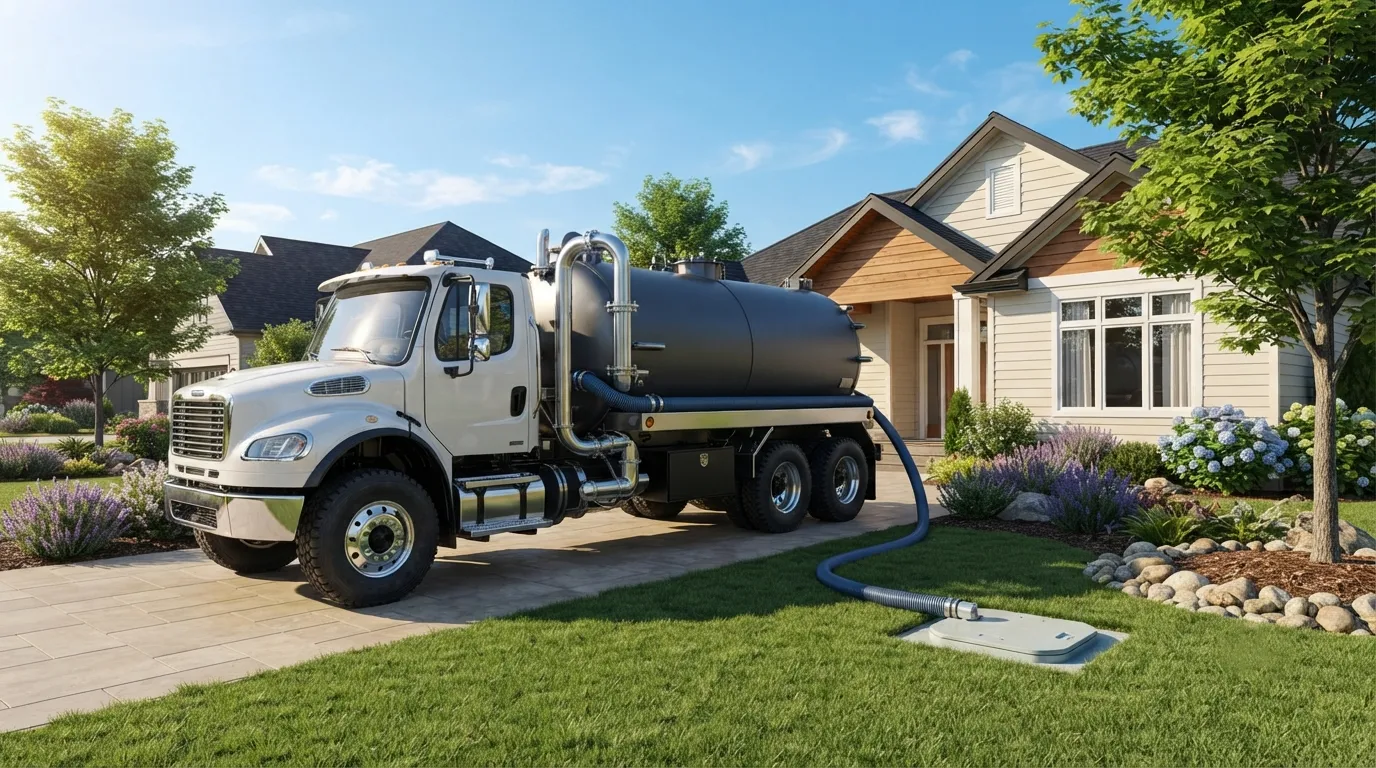
Every 3 to 5 years is the general rule for a 1,000 gallon tank, and household size drives that number as much as tank size does. A family of six fills a tank faster than a couple living alone, and a garbage disposal or a laundry habit that runs five loads a day pushes the interval shorter. If you are not sure when your Tallahassee property was last pumped, check your paperwork before guessing. Tallahassee Porta Pros can measure scum and sludge layers on a service call and tell you where you actually stand instead of going by a calendar guess. Homes out past Bradfordville, 10.1 miles north of the city, and out toward Chaires, 10.3 miles east, often run on well water and septic both, which changes the math slightly since well systems do not add municipal water softener salts to the tank. If you want the fuller breakdown on intervals and what changes them, read how often to pump a septic tank. Restaurants and food service kitchens are a different animal entirely, covered under grease trap pumping, since a grease interceptor gets pumped once fats, oils, grease and solids reach 25 percent of the liquid depth, not on a fixed calendar.
What Are the Warning Signs a Septic Tank Needs Pumping?
Slow drains in more than one fixture at once, gurgling in the pipes, standing water over the drain field, and a sewage smell near the tank lid are the four signs that mean call now, not next month. A single slow drain is usually a clog. Multiple slow drains at the same time, across a kitchen sink and a bathroom, points at the tank itself. Backups into the lowest fixture in the house, often a basement floor drain or a tub, mean the tank is at capacity and something has to happen this week. See the full list on septic tank warning signs. Bright green grass over the drain field in a dry Tallahassee summer is also a tell, since it means the field is getting more moisture than it should. If any of this sounds familiar, request service through Tallahassee Porta Pros or start with a request a quote so a truck can get scheduled before a full backup happens. Waiting past the warning signs usually turns a routine pump into an emergency call, which costs more and stresses the drain field more too.
What Does a Septic Pumping Service Include?
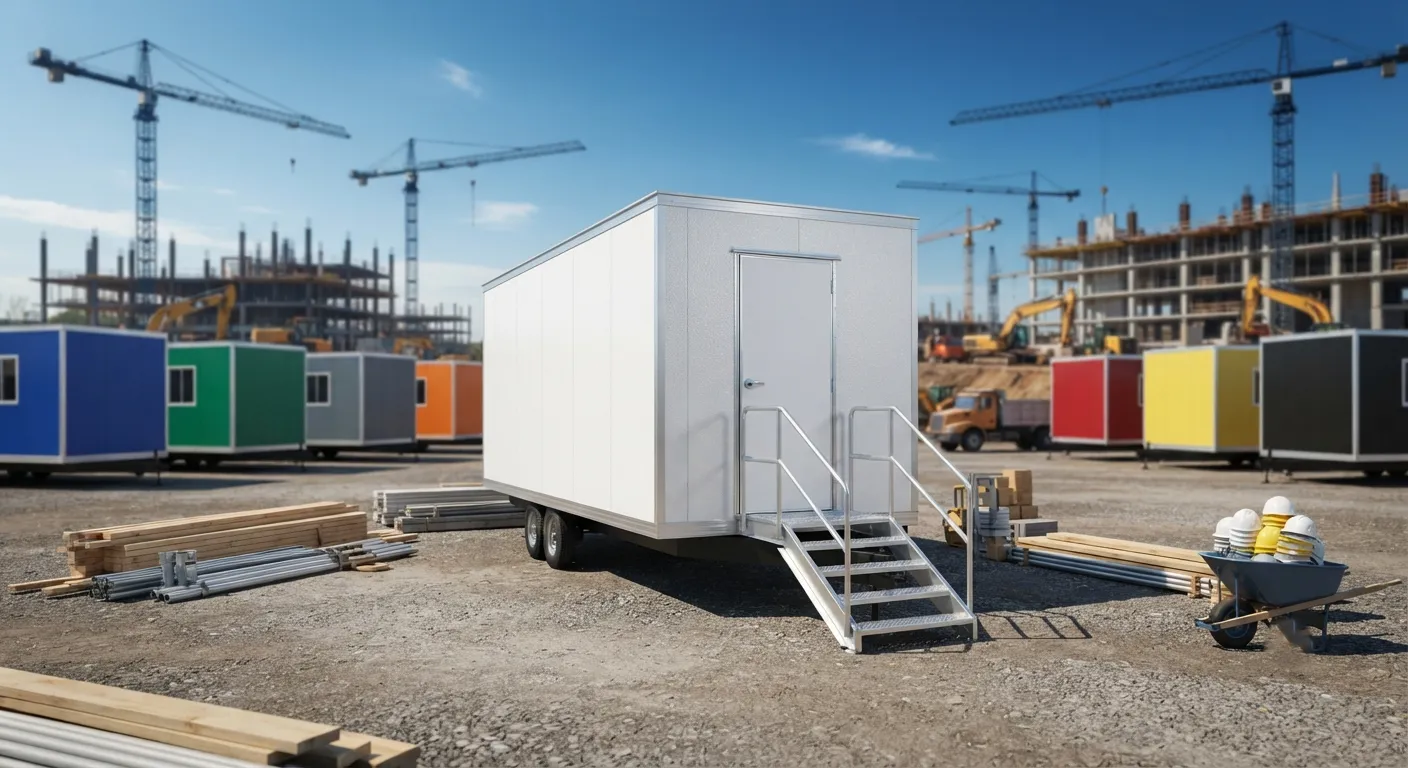
A standard visit includes locating and uncovering the tank lid, pumping the tank empty, checking baffles, and a basic inspection of tank condition before the truck leaves. The crew checks the inlet and outlet baffles because a broken baffle lets solids reach the drain field, which is the single most expensive mistake a septic system can make. They will also flag if the tank has cracks, if the lid is failing, or if the drain field shows signs of saturation. This is not the same service as porta potty rental or standard porta potty rental, though Tallahassee Porta Pros runs both divisions and can bundle a construction site's construction site services with septic support for a property under renovation. If your home is mid-remodel and short on working plumbing, a home renovation porta potty covers the gap while the septic side gets sorted. Ask about access before the truck arrives: a pumping truck needs clear ground to park near the tank, similar in spirit to the roughly 60 feet of straight clearance a roll-off delivery needs behind its truck for roll-off dumpster rental.

How Much Does Septic Tank Pumping Cost?
| service | duration | low | typical | high |
|---|---|---|---|---|
| septic pumping | day rate | $150 | $250 | $300 |
| septic pumping | weekend | $50 | $100 | $150 |
A standard day-rate septic pumping call in Tallahassee runs $150 to $300, with most jobs landing near $250. Tank size, access difficulty, and how full the tank is when the crew arrives all move the number within that band. A tank that has never been pumped, or one that is badly overdue, takes longer to empty and inspect than a tank on a normal 3 to 5 year cycle. For a full cost breakdown by tank size and condition, see septic tank pumping cost or septic tank cleaning if you are dealing with buildup beyond a routine pump. Homes farther out, near Woodville 14.1 miles south or Lloyd 15.2 miles east, may see a delivery or trip charge added depending on distance from the Tallahassee base. Compare that against a portable option: some properties mid-project choose a holding tank rental instead of repeat pump-outs while construction or renovation work is underway.
What Is a Holding Tank and When Do I Need One?
A holding tank is a sealed tank with no drain field, used when a septic system is offline, overloaded, or not yet installed, and it gets pumped out on a schedule rather than treating waste on site. Construction crews use holding tanks on job sites without permanent plumbing, and homeowners use them during a septic system replacement when the old system has to come out before the new one goes in. Pair a holding tank with portable restroom rental on an active job site, or with a restroom trailer rental if the crew size or client expectations call for something nicer than a standard unit. OSHA 1926.51(a)(1) requires an adequate supply of potable water at all places of employment, and a holding tank system paired with a proper wash station keeps a work site compliant while plumbing is down. See handwashing station rental or portable sink rental for the water side of that setup. Full detail on tank capacity and pricing lives at holding tank rental.
What Happens in a Septic Emergency?
A full backup, a collapsed lid, or sewage surfacing in the yard all count as emergencies, and Tallahassee Porta Pros treats these as same-day priority calls, not next-week bookings. Weekend septic service runs $50 to $150 for a standard visit, which is often cheaper than letting a backup sit until Monday and risking damage to flooring or a drain field. Emergency response matters most for households with no second bathroom and for job sites where OSHA 1926.51(c)(1) governs toilet facility counts and a downed system leaves crews without compliant sanitation. See emergency septic service for direct booking, or emergency porta potty rental if the fastest fix is a temporary unit on site while the septic problem gets diagnosed. Rural properties near Miccosukee, 17.1 miles northeast, and Waukeenah, 20.0 miles east, sometimes have longer response windows simply due to distance from Tallahassee, so calling early in a slow-drain situation beats waiting for a full failure. Check service areas for full coverage, including Wacissa at 22.0 miles southeast and Capitola at 12.9 miles east.
How much does it cost to pump a 1,000 gallon septic tank?
A 1,000 gallon tank pump-out falls in the standard $150 to $300 day-rate range most Tallahassee households see, with the final number set by access, fullness, and how recently the tank was last serviced. Tanks pumped on schedule cost less than tanks that have gone years past due.
How do I know if my septic tank needs pumping now?
Watch for slow drains across multiple fixtures, gurgling pipes, a sewage smell near the tank, or standing water over the drain field. Any one of those means call soon. More than one at once means call today, before a full backup happens.
Can a septic tank be pumped in the rain?
Yes, pumping can happen in wet weather, though a saturated drain field already under stress from rain is more reason to get the tank checked, not less. Heavy rain can also make locating the tank lid slower.
Is a holding tank the same as a septic tank?
No. A septic tank treats waste on site through a drain field. A holding tank just stores waste until it is pumped out, with no treatment happening in the ground. Construction sites and temporary situations use holding tanks.
How far in advance should I schedule septic pumping?
Routine pumping on a 3 to 5 year cycle can be scheduled a few weeks out. Warning signs like slow drains or odors mean call within days, not weeks, and true backups should go through emergency septic service same day.
Does grease trap pumping work the same way as septic pumping?
Not exactly. A grease interceptor gets pumped once fats, oils, grease and solids hit 25 percent of the liquid depth, which can happen on a much faster cycle than a household septic tank. See grease trap pumping for that schedule.
Next step
Get a delivery date
Tell us the address, the dates and the headcount. We size the order and confirm the route.