
Where should a porta potty go on site?
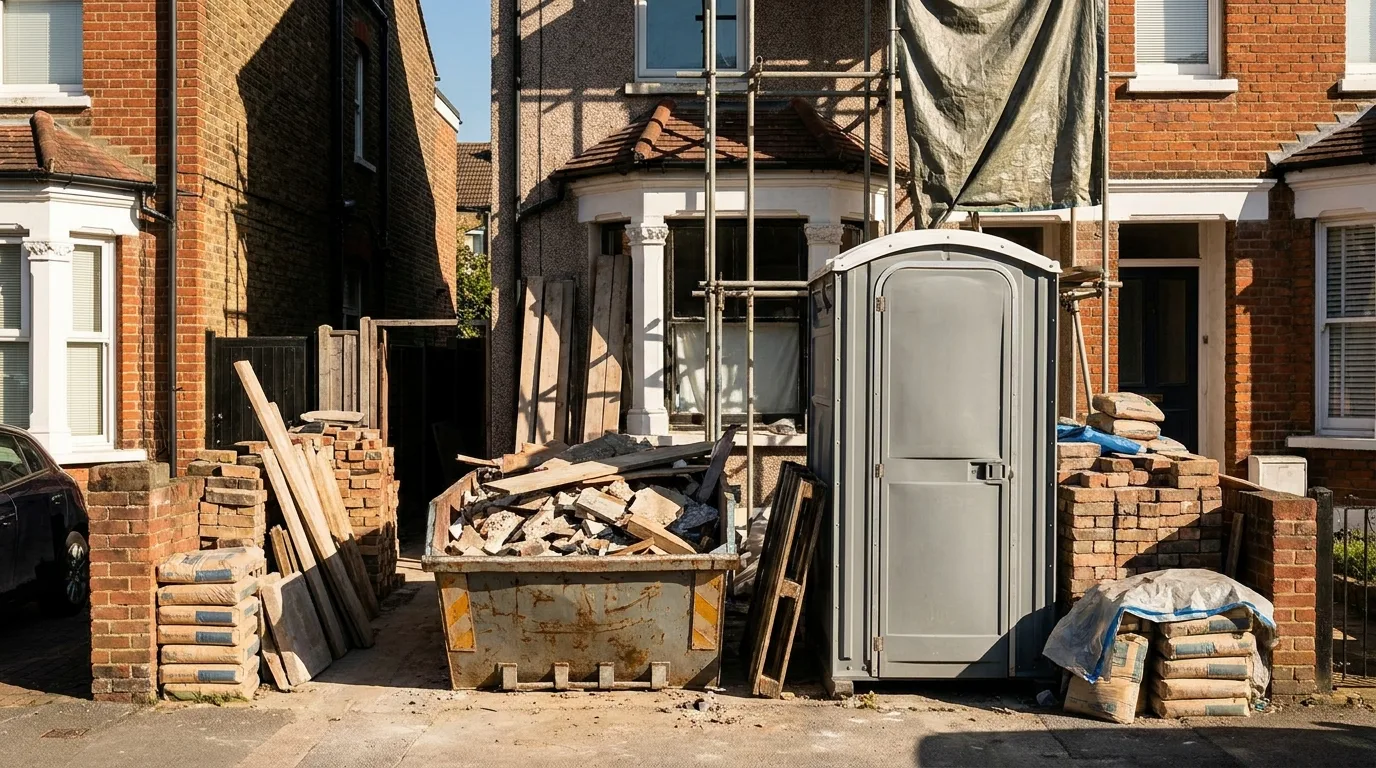
Pick flat, stable ground first. ADA Standards section 302.1 calls for surfaces that are stable, firm and slip resistant, and that rule matters just as much for a standard unit as an ADA accessible porta potty. A standard unit runs about 44 by 48 inches on the ground and stands roughly 92 inches tall, so give it a footprint with a little breathing room, not a tight squeeze between a dumpster and a fence line. Keep it off soft lawn or fresh mulch where it can sink and tip after rain, which is common around Tallahassee's clay-heavy lots. Face the door away from the main walking path if you can, and avoid low spots that pond water. If you're placing several units for a crew, our porta potty placement guide pairs well with a quick read on how many porta potties do I need, since headcount drives spacing as much as terrain does. For events, the same logic applies at scale, whether it's a wedding restroom rental or a full festival restroom rental layout.
How much clearance does the service truck need?
Our trucks need a straight, unobstructed path to the unit, and that number does not shrink for a tight driveway. Overhead branches, parked trailers and gated fence lines are the usual culprits. If you're also renting a roll-off dumpster rental for the same job, know that a roll-off delivery needs about 60 feet of straight clearance behind the truck, which is a different footprint problem than a porta potty and often forces a second look at the whole layout. Anyone asking about a dumpster placement permit or a dumpster placement permit cost should check with the City of Tallahassee before drop-off, since placement in the right of way is not something we can confirm from the yard. Our dumpster permit requirements page walks through what to ask when you call. The same clearance thinking applies to a temporary fence rental around the unit cluster, and to a storage container rental or mobile office trailer rental staged nearby, since a blocked path stalls every delivery on the lot, not just the one truck.
Do porta potty placement rules change for construction sites?
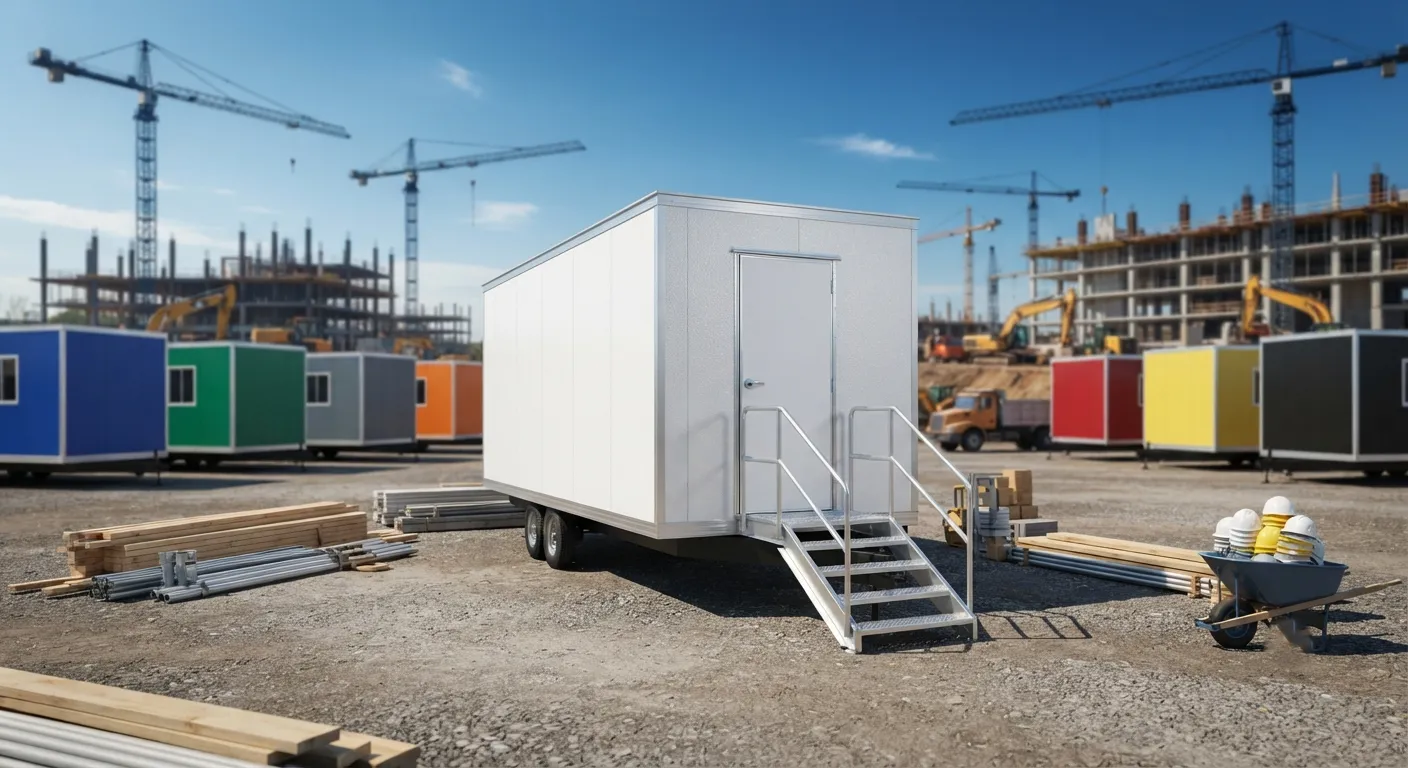
Yes. Construction sites fall under OSHA 1926.51(c)(1), which sets toilet counts by crew size: one facility for 20 workers or fewer, then one toilet seat and one urinal per 40 workers as the crew grows past that, dropping to one per 50 once you hit 200 or more. That ratio decides placement as much as headcount does, because you can't cluster every unit in one corner if workers are spread across a large construction site services footprint. OSHA 1926.51(a)(1) also requires an adequate supply of potable water at the site, which is why a handwashing station rental usually sits right next to the toilet cluster, not off in a trailer. If your crew is applying paints, coatings or insecticides, OSHA 1926.51(f)(1) requires washing facilities for that specific work, separate from general sanitation. Farms and agricultural crews fall under a different standard, OSHA 1928.110, which calls for one facility per 20 hand-labor employees within a quarter mile walk, a detail covered further on our farm and agricultural restrooms page.

Are there accessibility rules for placement?
Yes, and they apply anywhere units are clustered, from a jobsite to a county fair restrooms layout. ADA Standards section 213.2 requires at least 5 percent of clustered single-user units to be accessible, and never fewer than one, no matter how small the cluster is. That accessible unit needs a 60 inch turning circle under ADA Standards section 304.3.1, a clear route at least 36 inches wide per section 403.5.1, and a door opening of at least 32 inches under section 404.2.3. Reach ranges matter too: section 308.2.1 caps a forward reach at 48 inches high, and section 309.4 requires door hardware operable with one hand and no more than 5 pounds of force. Skip the flimsy accessible unit if you're running a deluxe flushable porta potty lineup or an 8 stall restroom trailer, since compliance still runs through the same five sections regardless of finish level. If you're prepping for an inspection, ADA restroom requirements covers the full checklist.
A few placement questions come up outside the standard rental too. Someone asking about an ozark river portable sink replacement parts issue usually needs a gasket or pump replaced on a hand-wash unit already in the field, which our crews can often source faster than a manufacturer order. Anyone dealing with a placercille septic pumping service search meant for their own region should confirm they're contacting a provider licensed in that county, since we serve Tallahassee and towns like Bradfordville, 10.1 miles north, and Woodville, 14.1 miles south. Mobile office trailer replacement doors are a maintenance item worth checking before delivery, not after, especially on a trailer that's been through a few job sites already.
How far from a building should a porta potty sit?
Keep it close enough to be usable but off building entrances and fresh landscaping. There's no fixed footage in the federal standards we cite, so match placement to ground stability and the 200 foot walk guideline used for general jobsite planning around Tallahassee.
Can a porta potty sit in the street or right of way?
Placement in the public right of way needs confirming with the City of Tallahassee before delivery. We do not guess at this on your behalf. Check with the city, then let us know what they say.
Does a septic tank affect where I place a portable toilet?
Not directly, but keep units clear of the drain field. A residential septic tank is typically pumped every 3 to 5 years, and heavy foot traffic or a unit parked on the field can compact soil the system needs to drain properly.
How often does a placed unit need service?
ANSI/PSAI Z4.3 sets a baseline of one service visit per week for up to 10 users across a 40 hour week. Busier sites need more frequent stops, which we schedule around your placement plan.
What if my site has no flat ground available?
Tell us before delivery. We can often level with mats or shift the unit a few feet to firmer soil nearby, but steep or loose ground may need a different unit size or a revised layout entirely.
Next step
Get a delivery date
Tell us the address, the dates and the headcount. We size the order and confirm the route.